
With all the nice weather we’ve been having, it’s so tempting to get out into the gardens and tidy them up for spring! That said, there are some practices to keep in mind that your local wildlife will thank you for.
All the leaf and stem debris in your landscape is currently providing important shelter for a large number of beneficial insects. Butterflies and moths may be hiding in the leaves, wrapped up in their chrysalises. Solitary bees are hibernating as larvae inside of plant stems and in exposed patches of soil. Firefly pupae are tucked down in the soil as well, but also utilize rotting wood. Most of these insects won’t emerge until overnight temperatures are consistently above 50 degrees. Removing leaf litter early will remove those chrysalises as well, and the same goes for pruning plant stems. It’s best then to wait until at least mid-spring to start tidying, if you do any cleanup at all.
If you do decide to clean up your garden, think about what you can do to help the insects and other animals in your yard. Fallen leaves can be relocated to your flower beds to provide numerous benefits. They will act as a natural mulch, suppressing weed growth and decomposing to provide valuable nutrients to your plants. Leaves may also contain the chrysalises of butterflies and moths that don’t emerge immediately in spring and transplanting them into your garden beds gives them shelter until they are ready to pupate. When placed beneath trees, the leaf litter helps provide “soft landings” for caterpillars that naturally drop from their host trees before digging into the litter or soil to form their chrysalises. Lastly, leaf litter is a valuable home for firefly larvae who prey on pest invertebrates like slugs, helping keep your garden looking great. Without that habitat, your yard may not host their light displays on summer evenings.
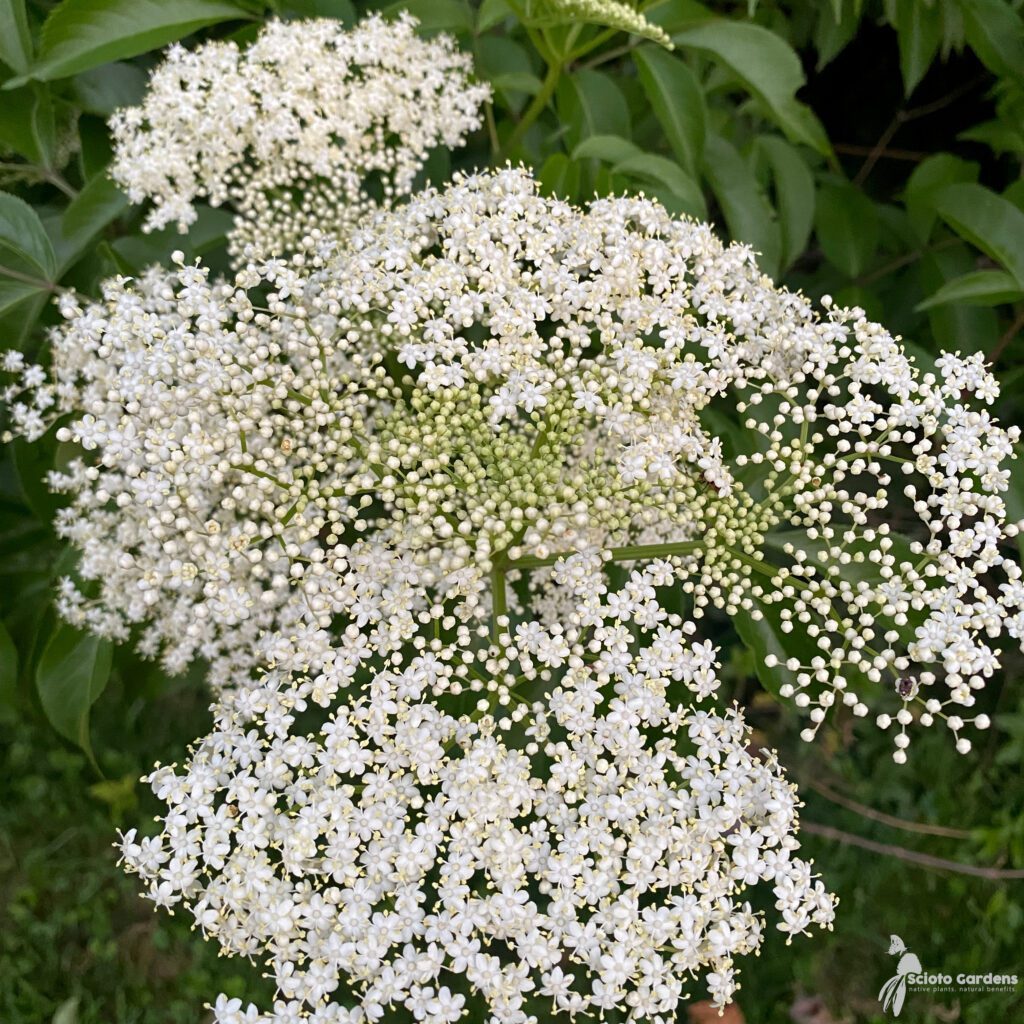
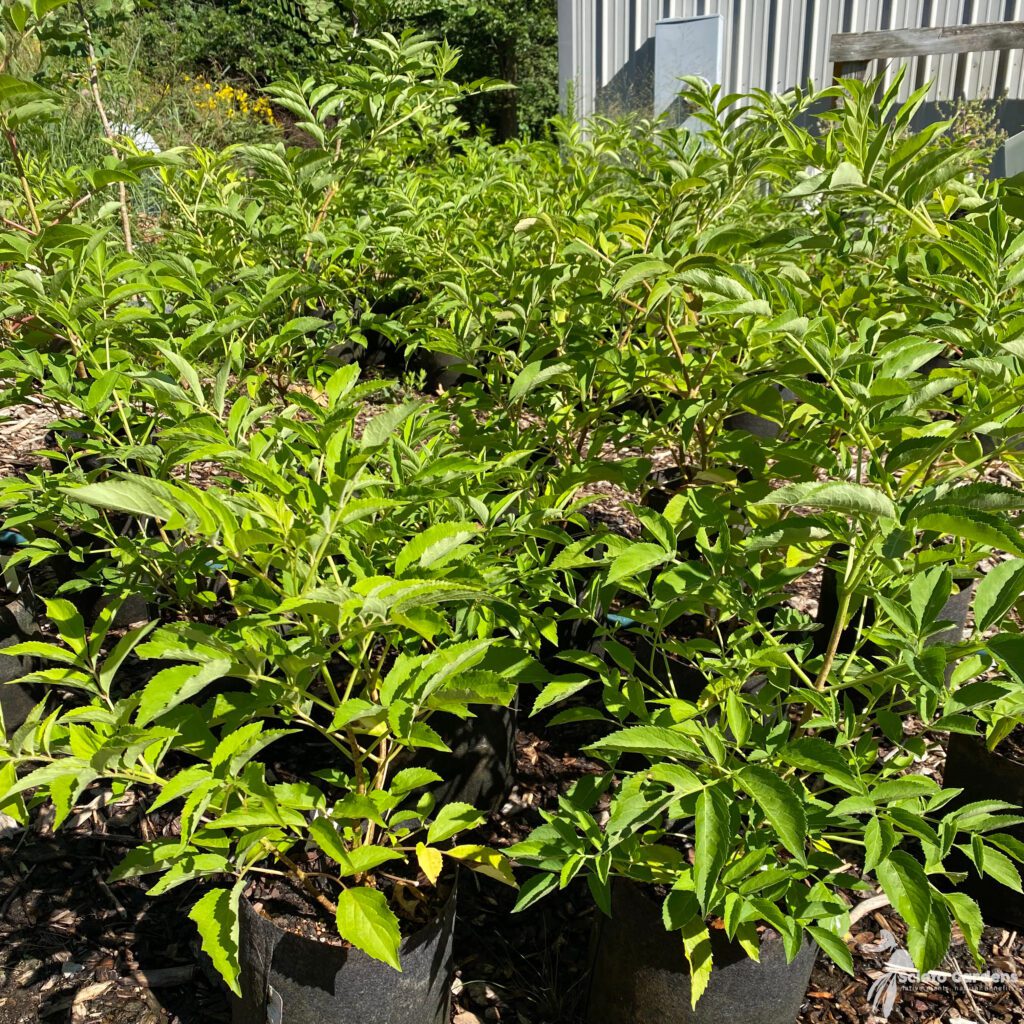
Regarding stems of perennials or pithy-stemmed shrubs like American Elderberry (Sambucus canadensis), it is very tempting to “make room” for this year’s growth and remove last year’s stubble. Many solitary bee species use those stems, however, and you will increase pollinator diversity in your yard by keeping stems up for a year or two. You can help them along by removing the spent seed-heads of last year’s flowers, and by pruning some of the stems of your shrubs. The exposed stems are excavated by this spring’s emerging female bees, who lay eggs that will hatch into larvae over the summer. Those bees hibernate inside the stems over winter, and will emerge as next year’s adults. While there are some species that can make use of stem cavities the same year that the perennials flowered, it’s best to leave at least some stems available for 2 growing seasons to allow the bees to complete their life cycles. If you need to cut the stems down to a more manageable size, varying heights of 8 to 24 inches is recommended.
Given the aesthetic needs of ourselves and our communities, it may be unavoidable to do at least some cleanup. In these cases, you can find compromise in your garden spaces with a few tricks. You might fully prune your most visible, forward-facing flower beds and leave stems standing in the back rows or in more hidden areas of your landscape. The stems, twigs, and other debris that you clear can be left on the soil or stacked in a quiet corner of your yard to serve as additional shelter, with the hopes that any nesting invertebrates also have a chance to emerge. Fallen leaves may ideally be left intact so that you do not harm any chrysalises, etc., but mulching and spreading the leaves is an alternative that does at least provide nutrients and habitat for future wildlife. Hopefully, this information helps you make a plan that works for both you and your garden’s wildlife!
March 2023 Newsletter
