|
| Spring migration is in full swing, and even more visitors have recently been spotted at the nursery! Despite this, bird populations are suffering far and wide due to habitat loss and reduced resources. We’re obviously doing all we can to help both resident and migrant birds that stop by Scioto Gardens, but how can you do the same at home? The biggest thing that you can do in your landscape is to provide native plants, which in turn provide the habitat essential for the insects that most birds rely on to survive. Did you know that chickadees need between 6,000 and 9,000 caterpillars to feed one clutch of nestlings? Now extend that to the 96% percent of birds that raise their young on insects, most of which are caterpillars, and that’s a LOT of insects needed to support our bird populations! Those insects need native plants to eat and shelter on, and our standard turf-grass lawns just aren’t providing the necessary resources. |
  |
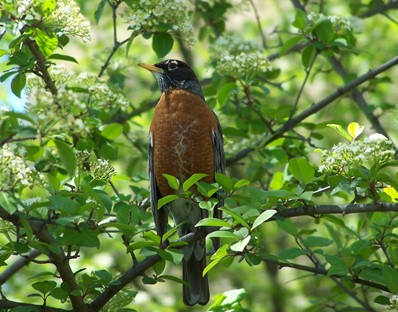
| When deciding which plants to plant, consider that around 90% of caterpillars rely on just 14% of the native plant species available. We call those superstar plants “keystone species,” since they are the base on which the rest of our ecosystems are built. If you HAD to limit what you plant, focus on those superstars like oaks and goldenrods. That said, diversity matters too! The more diverse your landscape, the more specialist wildlife you will be able to support. This spring, we ask you to help support our declining bird populations by planting native plants. The birds photographed and shown above aren’t the best examples of caterpillar-dependent birds, but our landscape is young and will support more and more species as the trees and other plants establish and grow. Let’s all do what we can to invite more birds into our spaces as we reclaim our landscape from turf-grass lawns! |