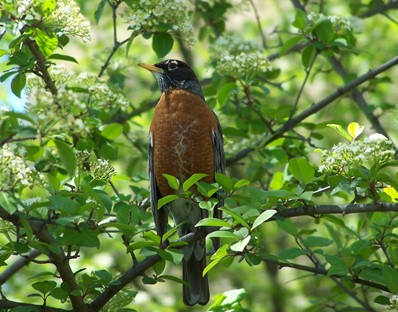
Now that our gardens are settling down for the year, what kind of maintenance should we be doing to benefit both the gardener and wildlife?
● Leave the leaves! Leaf “litter” supports a diverse array of wildlife, including fireflies and their prey species, over-wintering chrysalises of moths and butterflies, and much more.
○ Raking up and bagging the leaves also removes these crucial organisms from your yards. Mulching the leaves may provide nutrients for lawns and garden beds alike, but it also compromises all of the wildlife sheltering within. Have you ever noticed strange clumps of leaves seemingly “glued” together, or strange lumps on the fallen leaves themselves? Those contain little invertebrates that will either feed other animals or go on to perform valuable ecological services in your garden next year.
○ Relocate leaves from your grass lawns to the garden. The leaves will continue to provide habitat and will slowly break down over time to provide nutrients to your plants.
○ That said, some perennials appreciate having leaves cleared from around their root-crowns or basal foliage. Our Lobelia species specifically appreciate this, as may other perennials that thrive in disturbed soil. Penstemon species can sometimes trap excess leaves between their upright stems and basal foliage that can be cleared to prevent rotting as well. Simply relocate those leaves to other areas in your garden.

1) Oak Pea Gall Wasp (Acraspis sp.) – galls like these, formed when a wasp lays their eggs in the tissue of an oak leaf, will help feed birds throughout the winter.
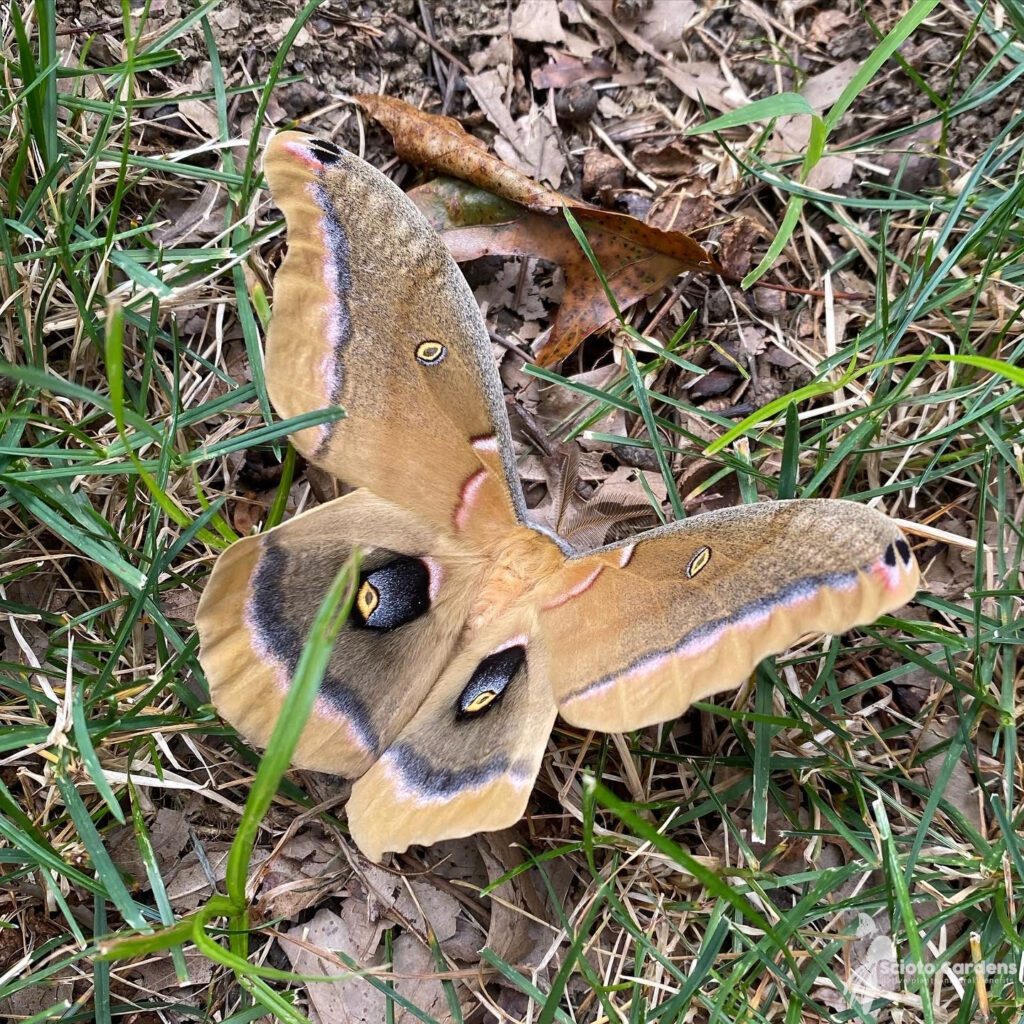
2) Polyphemus Moth (Antheraea polyphemus) – these large moths overwinter on trees or in the leaf litter below inside of their cocoons.
● As your perennials go dormant, you may be tempted to cut them back to “tidy” your garden. Here are some things to consider when making those decisions:
○ Keeping the seeds up all winter will provide important food for seed-eating birds and mammals, especially in our grass lawn dominated neighborhoods. They’ll also provide visual interest when little else is happening in your gardens.
○ Aggressive seed-spreaders like Asters or Penstemons, however, may dominate your flower beds if left to their own devices. Selectively deadheading can reduce the amount of “thinning out” you’ll need to do in the future.
○ For plants that must be trimmed or deadheaded, cut stems down to between 8 and 24 inches tall, as this will create nesting sites for many native solitary bees. Bees appreciate varying stem heights to choose from as well.
○ Last year’s stems may already contain bee larvae, so removing them from your garden may remove the bees as well.
○ Relocate any stem cuttings from high-visibility areas to a scrap pile in a hidden corner of your yard, if you can, so that they can continue to provide shelter and nesting sites for birds and insects. Hopefully, any bee larvae already in the stems have a chance to overwinter and mature next spring.
○ Choosing to deadhead and cut some, but not all of the stems in any given plant group is a good compromise for maximizing bee nest sites, providing seeds for birds, and reducing seed loads in your garden.
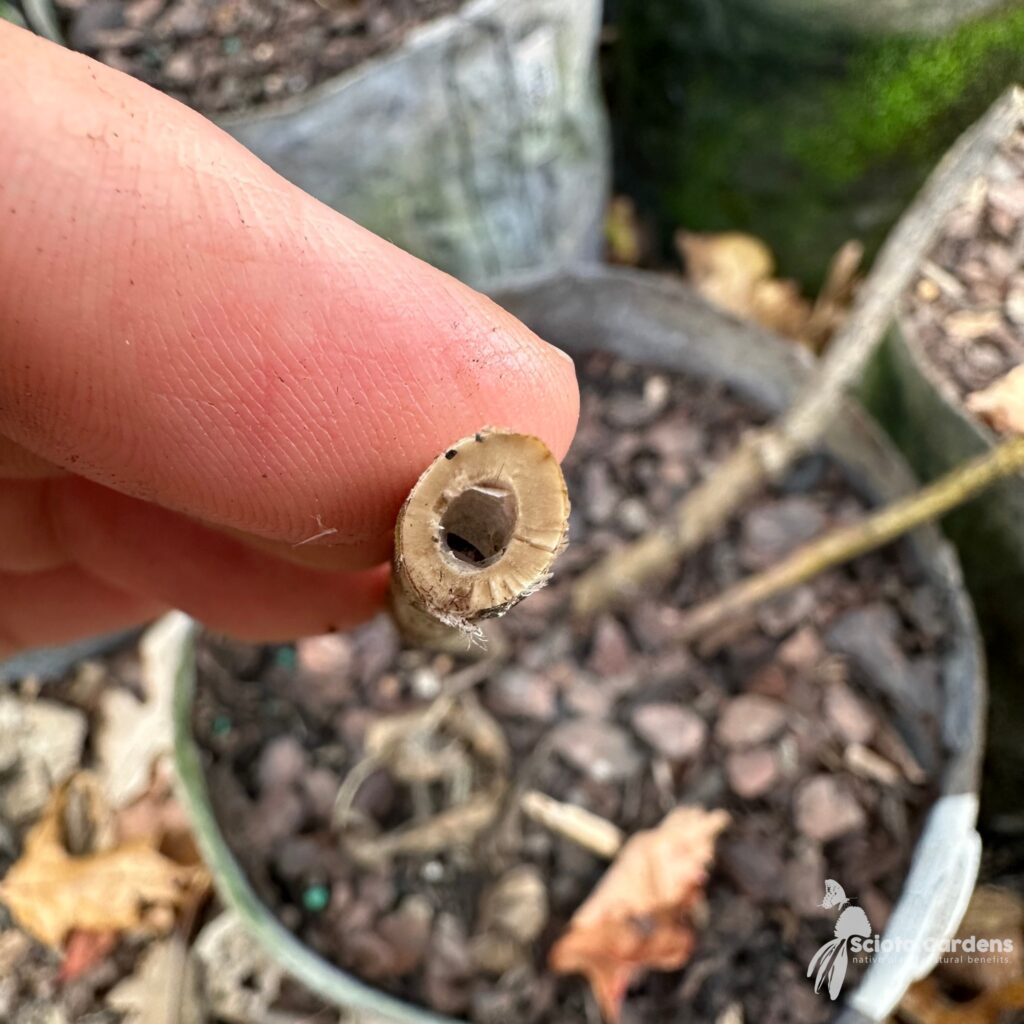
3) Swamp Milkweed (Asclepias incarnata) – the hollow stem may house a native bee’s eggs next year.
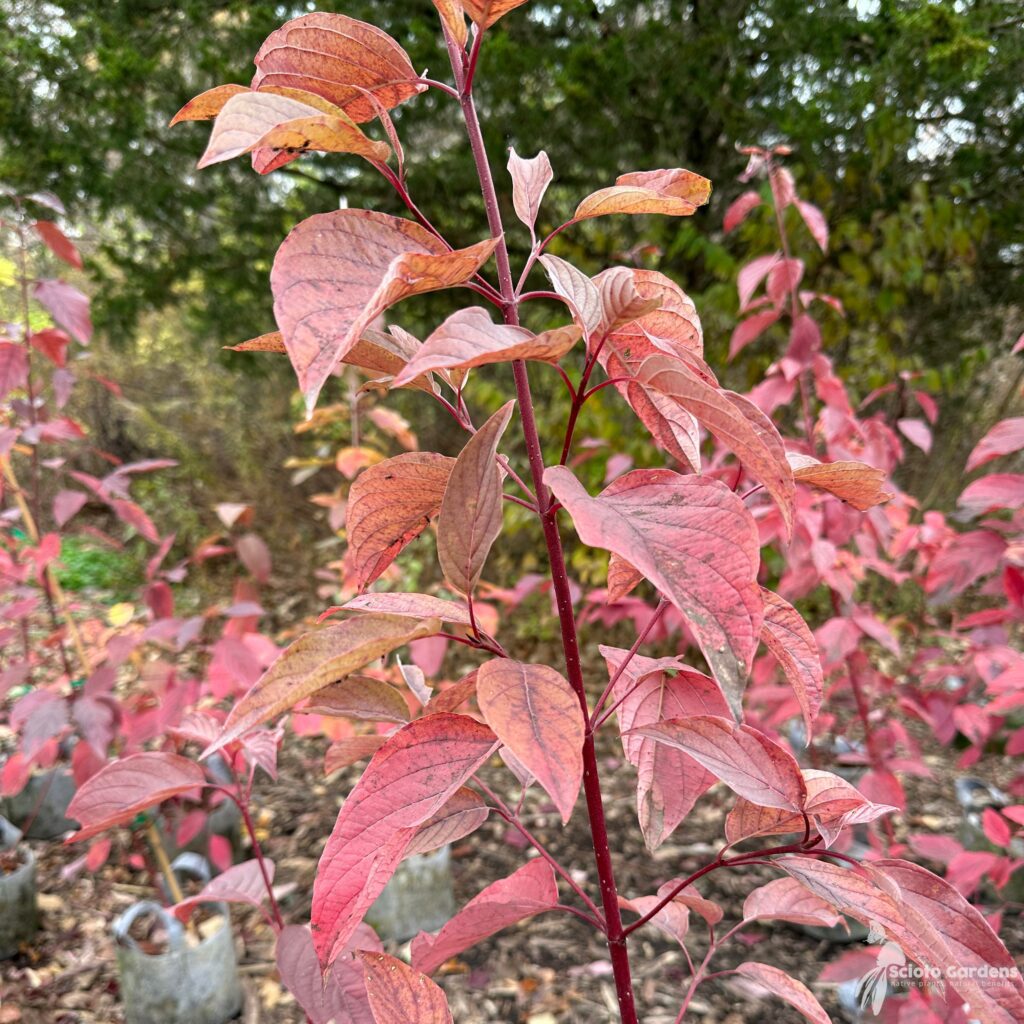
4) Red-twig Dogwood (Cornus sericea) – pruning up to ⅓ of the stems will encourage new growth with the fabulous red stems in winter.
● Selectively prune down fast-growing shrubs like American Elderberry or Pussy Willow, if desired.
○ Those open cuts in the remaining branches will make great bee nest sites and the reduction in volume will keep your plant looking fresh.
○ Even for shrubs that don’t need pruning, choosing to deadhead certain branches on shrubs with pithy stems will provide bees with nesting opportunities.
○ A general rule is to prune ⅓ of the old stems each year. The cut branches can be used around the home or garden as decoration (like Red-twig Dogwood for example), or as shelter in scrap piles. This will encourage fresh growth the following spring. For plants like those dogwoods that have great winter stem color, the younger stems will have the best color.
○ Be warned though that branches driven into the ground as stakes may start growing into new shrubs of their own!
November 2023 Newsletter