

Containers have been used for gardening for a long time, of course, but we are so used to seeing cultivated plants in them that it’s easy to doubt that our native plants will thrive planted that way. Some of those fears have a basis in reality. For instance, blue false indigo (Baptisia australis) with its meter-long taproots does poorly in containers. Others, however, with fibrous or rhizomatous roots, can do very well. Choosing the right types of plants is therefore critical for success. You’ll also need to choose plants that can tolerate the climate of your space. Will the pot be outdoors all winter? Will it be exposed to direct sun or wind? Winter’s cold and freeze-thaw cycles can be brutal for plants that aren’t cold-hardy. Additionally, containers are more exposed to the elements than the ground, so we recommend picking plants that are suited for at least 2 USDA hardiness zones “lower” than where you’ll be gardening (ex: if the container will be in zone 6, choose a plant that can tolerate down to zone 4, which is a cooler climate). For plants that aren’t as cold-hardy, you can always bring your containers indoors or into your garage over winter. Plants, of course, have their own light requirements and should be suitably placed, but keep in mind that blowing winds will dehydrate your container’s soil and plants faster than if they were sheltered from the wind.
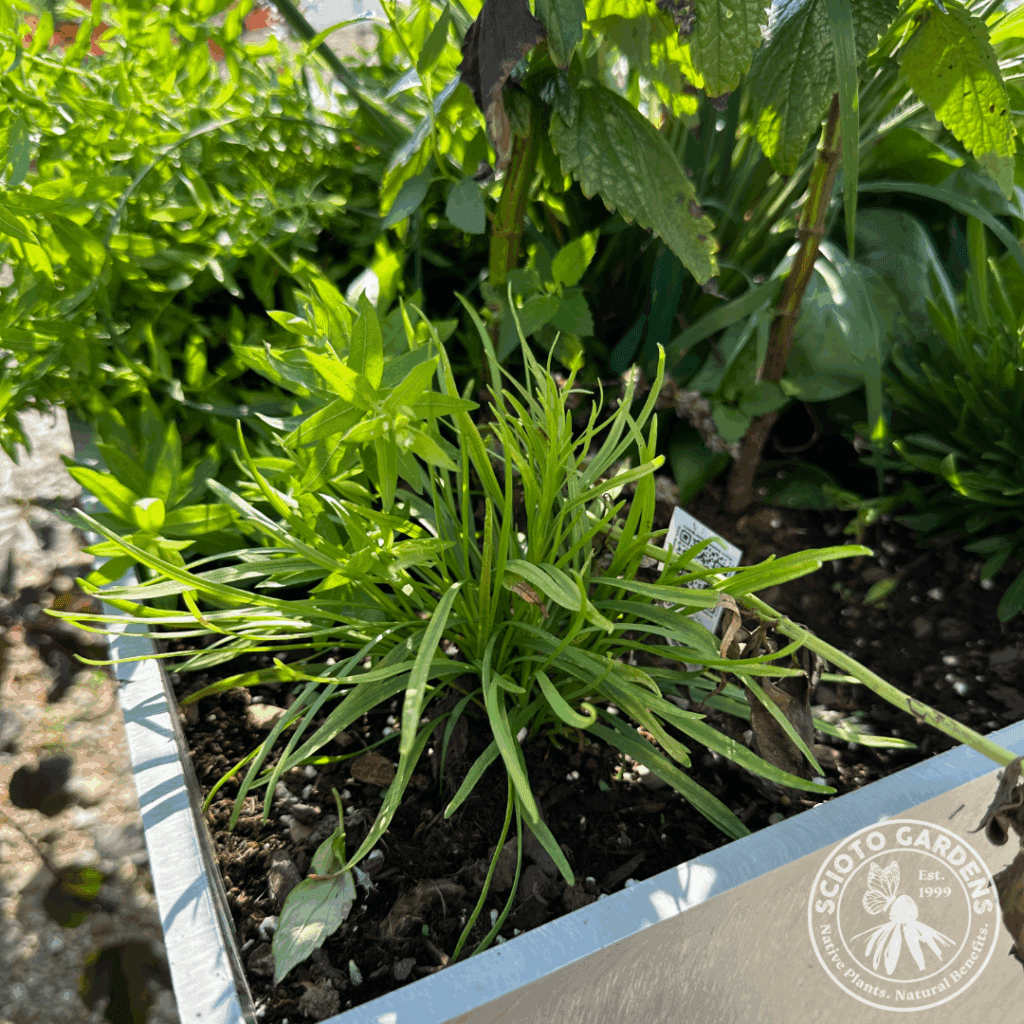

When it comes to building your container gardens, there are a few things to keep in mind. When choosing the container itself, keep in mind that clay can be porous and might absorb moisture and therefore be susceptible to cracking if it is not sealed. Wooden containers may also absorb water and degrade over time. Glazed pots, as well as plastic and metal, do not absorb moisture and typically last longer. Fabric pots absorb water and may need to be replaced after several years. If the pot sits directly on a patio, pot feet can help provide drainage beneath the pot. You may also want a saucer to catch excess water, depending on where your container is, but keep in mind that clay will again retain moisture. At the bottom of your pot, you may choose to add gravel or another rocky substrate to allow drainage and prevent the hole in the pot from becoming clogged with soil. We chose packing peanuts in the containers here at the entrance to our nursery, which are separated by the soil with landscaping fabric. This is a light-weight solution to keep the soil in place.
Next, you’ll need to choose what kind of soil to use based on the plants you want to plant. Plants that prefer more moisture like a denser soil with clay, or even peat for aquatic plants. Plants in the shade are accustomed to having more organic material from leaf litter, etc., and appreciate richer soil with compost. Prairie plants that prefer drier soil can benefit from the addition of vermiculite, which increases drainage. Gravel or a lightweight substitute like rubber pellets can be added to soil to emulate gravelly, poor soil. While there is some debate on exactly what potting substrates work best, re-creating a plant’s natural soil preferences is a good place to start, substituting for light-weight materials where you can, and with a base of high-quality potting mix. The potting substrate may also need to be compressed a little to work out air pockets. For plants that like moist or wet soil, it’s important not to let the soil dry out completely, as the heavier soil (with clay or peat) may harden and pull away from the walls of the container, allowing water to simply slip away without absorbing any. For our containers, we chose plants that prefer average to dry soil (a good starting point for any container garden, since they’ll require less water), with standard potting soil.
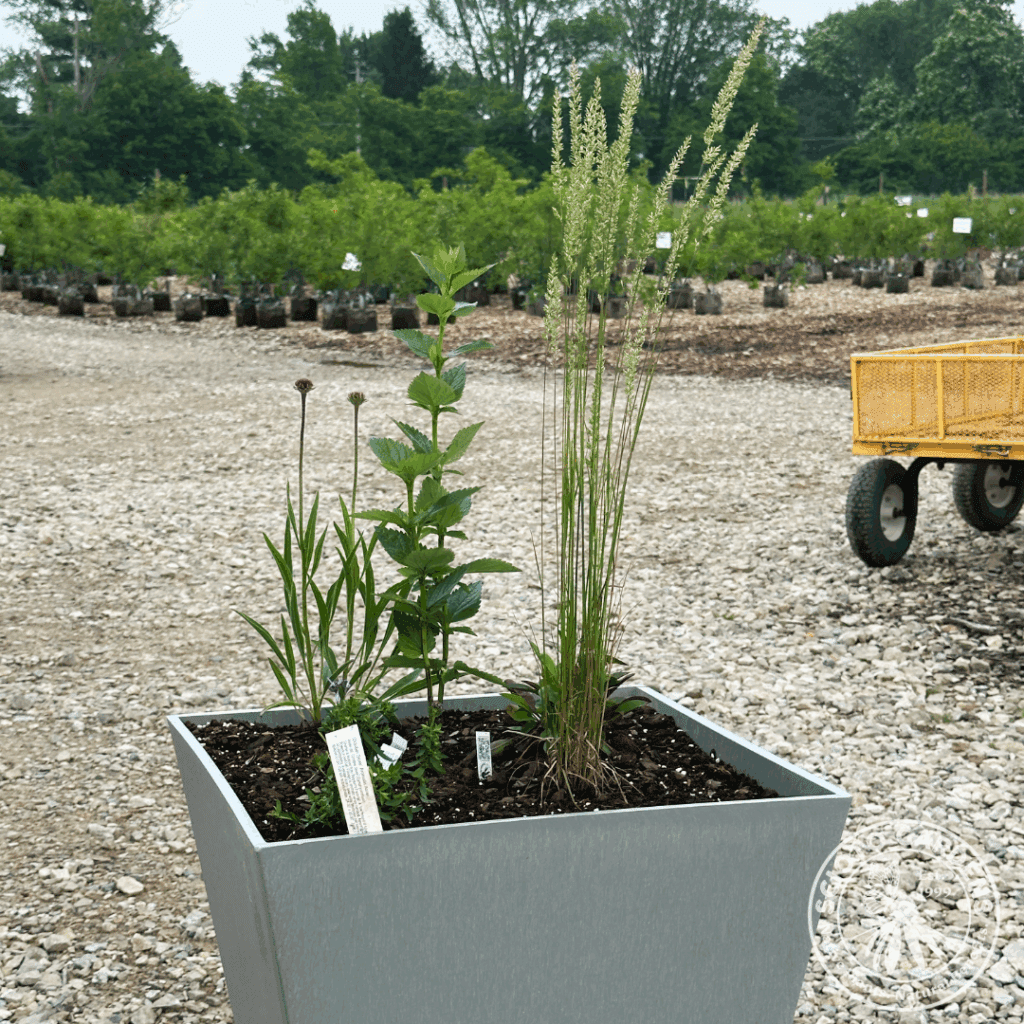
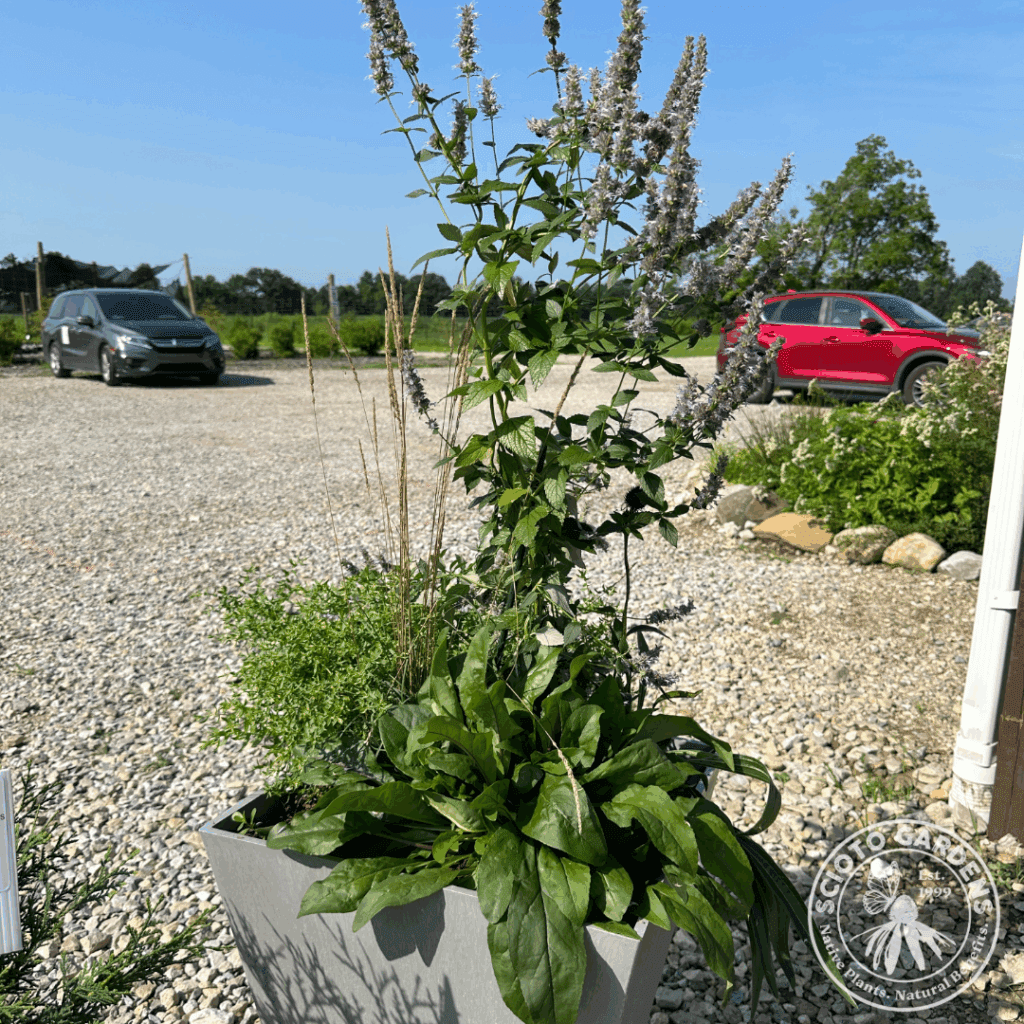
When planting, keep in mind that plants will grow and compete with each other over time. A densely planted container will look great sooner, but you may see bullies win out over less competitive species. Planting with more room between plants will allow each species time to grow (before any need to be divided and given to friends). Fertilizing can be a little daunting, but remember that many native species require little to no fertilizer. In containers, they may need a little fertilizer every once in a while since they will gradually deplete what resources are available, but over-fertilizing is probably the greater risk. Again, think about what the plants want in nature. Woodland species want more compost and richer soil than prairie species, etc. Pine bark mulch or something similar is optional, but it can help prevent weeds and, importantly, conserve moisture.
Watering plants should be done as needed, and based on observation rather than on a strict schedule. Wetland plants will want more moisture, as will larger specimens or those that get a lot of direct sun or wind. Some dry-loving species may enjoy being neglected for longer despite those same conditions, and some wet-loving species with heavier soil may need watering despite the soil not drying out. To determine if plants need water, feel the soil an inch or two below the surface. Moist soil will feel cool and damp, while dry soil will feel warm. Your plants may also wilt when they need a drink, but confirm that by feeling the soil. Sometimes plants may droop with too much moisture as well, so it’s always best to check until you get to know your plants and your container better.
Now, let’s get to the good stuff – picking your plants! Plants with fibrous roots, like many asters, or with rhizomatous roots, like goldenrods, are your best bets. If a plant grows a deep taproot, it may not be the right choice. As mentioned before, you’ll also want to pick plants that are cold-hardy for colder conditions than your local climate if the containers will remain outside all winter. Another thing to keep in mind is the plant’s form. Tall, lanky plants like anise hyssop may need other tall neighbors to support it, or might not make a great choice for small containers. Or that may be exactly the look you’re going for, if you have the right set-up! You should make sure you have enough room for a large plant’s root system as well. Consider too what plants do well together, or maybe you want to restrict each container to one species. There’s no wrong answer. When selecting species, combining textures and flowering times can keep interest up throughout the growing season. Also, plants that provide winter cover, like beardtongues or sedges, can help further insulate all of the plants in the container.
Some excellent options for container gardens include:
● Sensitive Fern (Onoclea sensibilis) – moist, full shade to part shade
● Appalachian Sedge (Carex appalachica) – average to dry full shade to part shade
● Prairie June Grass (Koeleria macrantha) – average to dry full sun
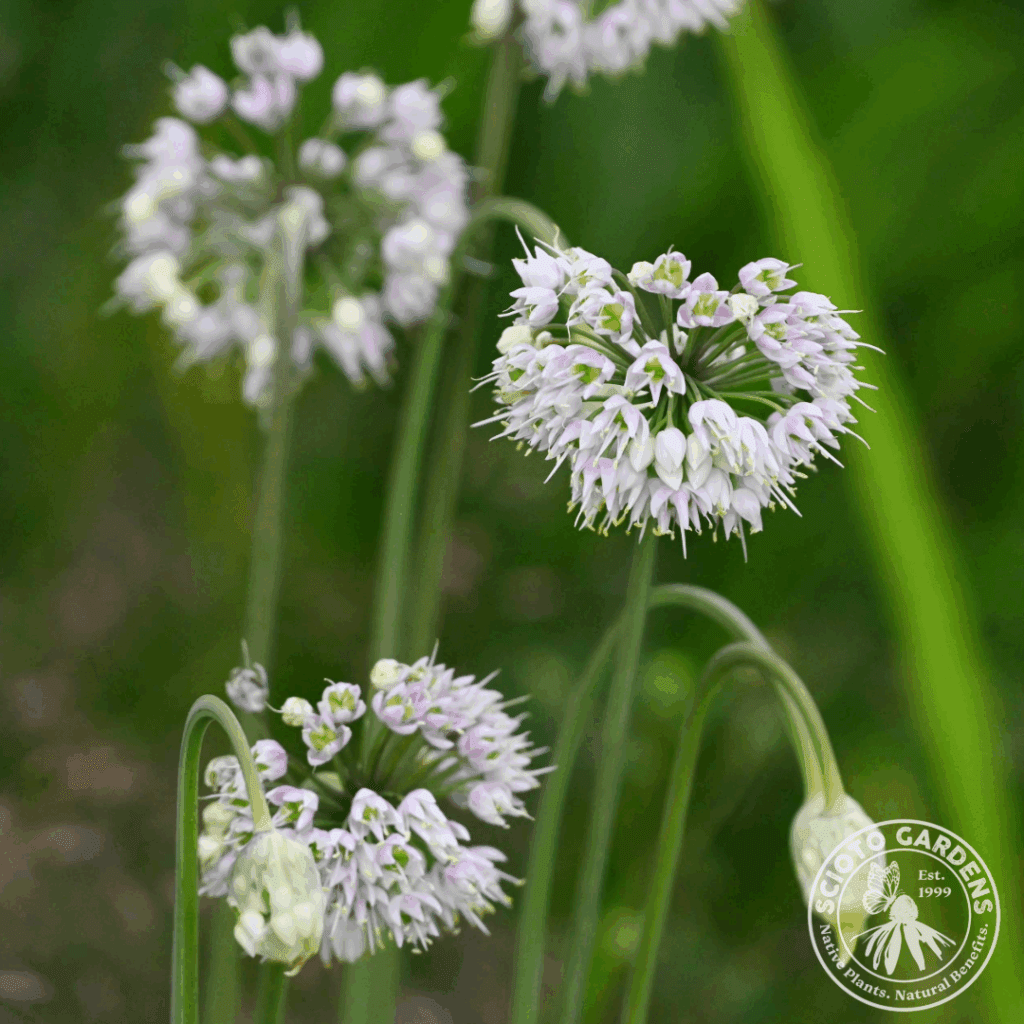
● Nodding Onion (Allium cernuum) – average to dry full sun or part shade
● Harebell (Campanula rotundifolia) – average to dry full sun or part shade
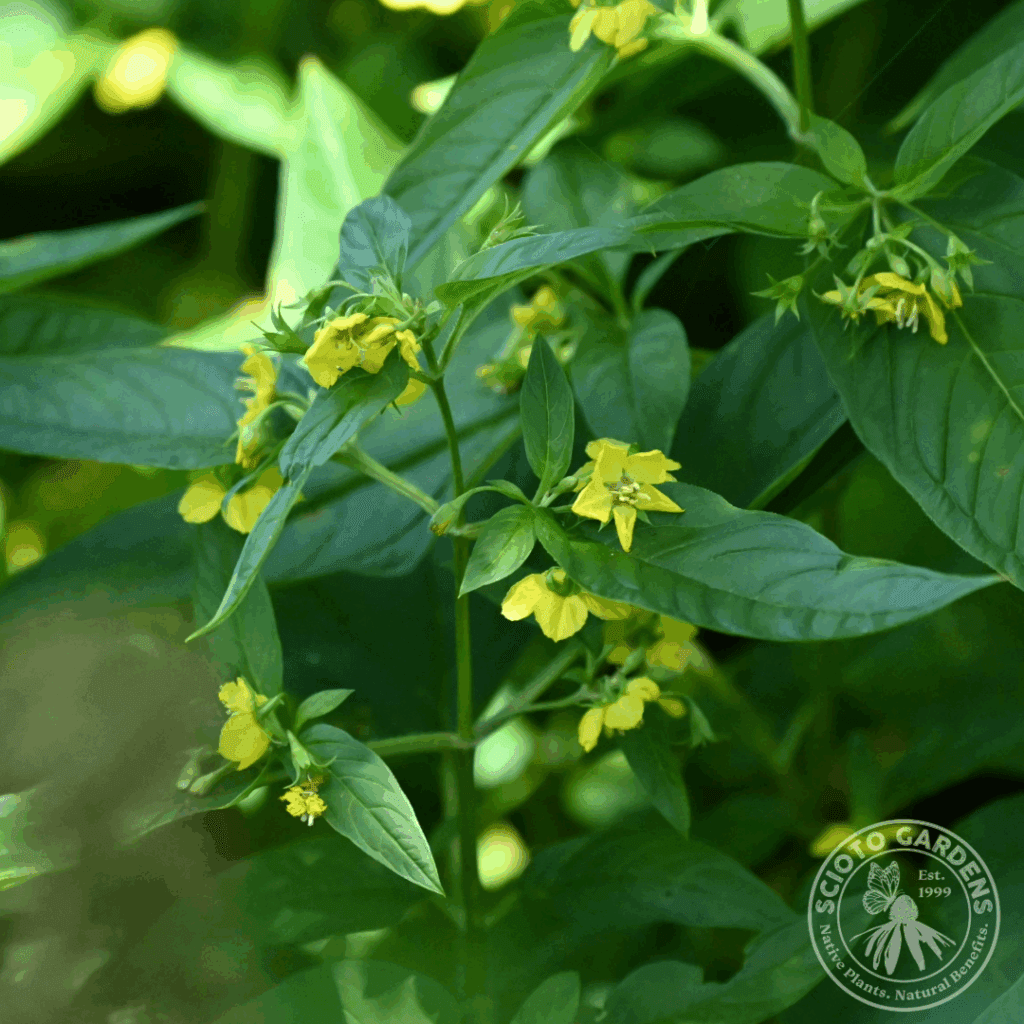
● Fringed Loosestrife (Lysimachia ciliata) – moist to average full sun to full shade
● Wild Bergamot (Monarda fistulosa) – average to dry sun to part shade
● Cardinal Flower (Lobelia cardinalis) – moist, full shade to part shade
● Hairy Beardtongue (Penstemon hirsutus) – average to dry sun to part shade
● Jacob’s Ladder (Polemonium reptans) – moist to average full shade to part shade
● Gray Goldenrod (Solidago nemoralis) – average to dry full sun
● Aromatic Aster (Symphyotrichum oblongifolium) – average to dry full sun or part shade
● ‘Silver Gem’ Walter’s Violet (Viola walteri ‘Silver Gem’) – moist to average full shade to part shade (available in 1qt containers at the nursery)
These are just some that we have available, but there are many, many more that would make great choices. On your next visit to Scioto Gardens, check out our own containers located near the entrance to the nursery, and ask us about setting up your own container gardens as well.
