Winter doesn’t have to be a lost season for your garden, especially with native plants. Many of our warm-weather favorites also have beauty and purpose to show after the growing season is over. Here are just a few of our favorite representatives from across our inventory!
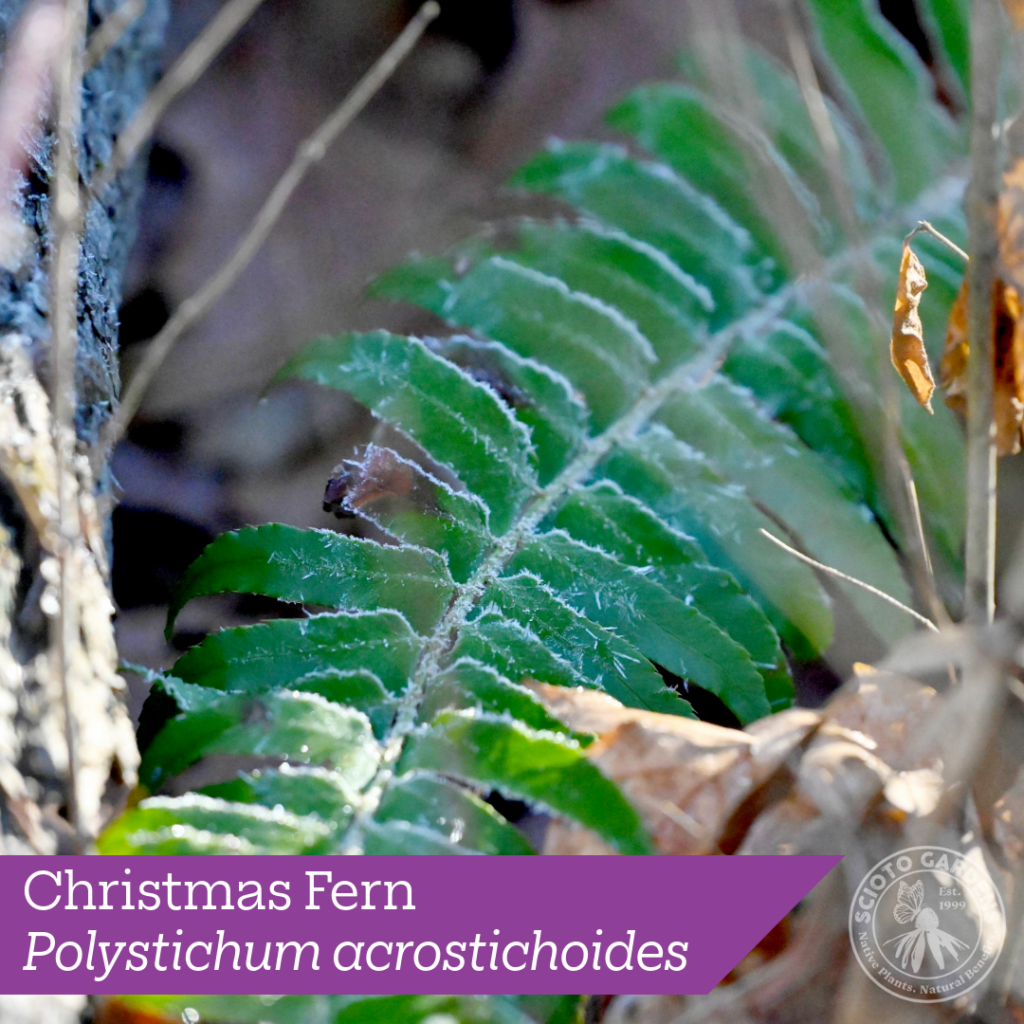
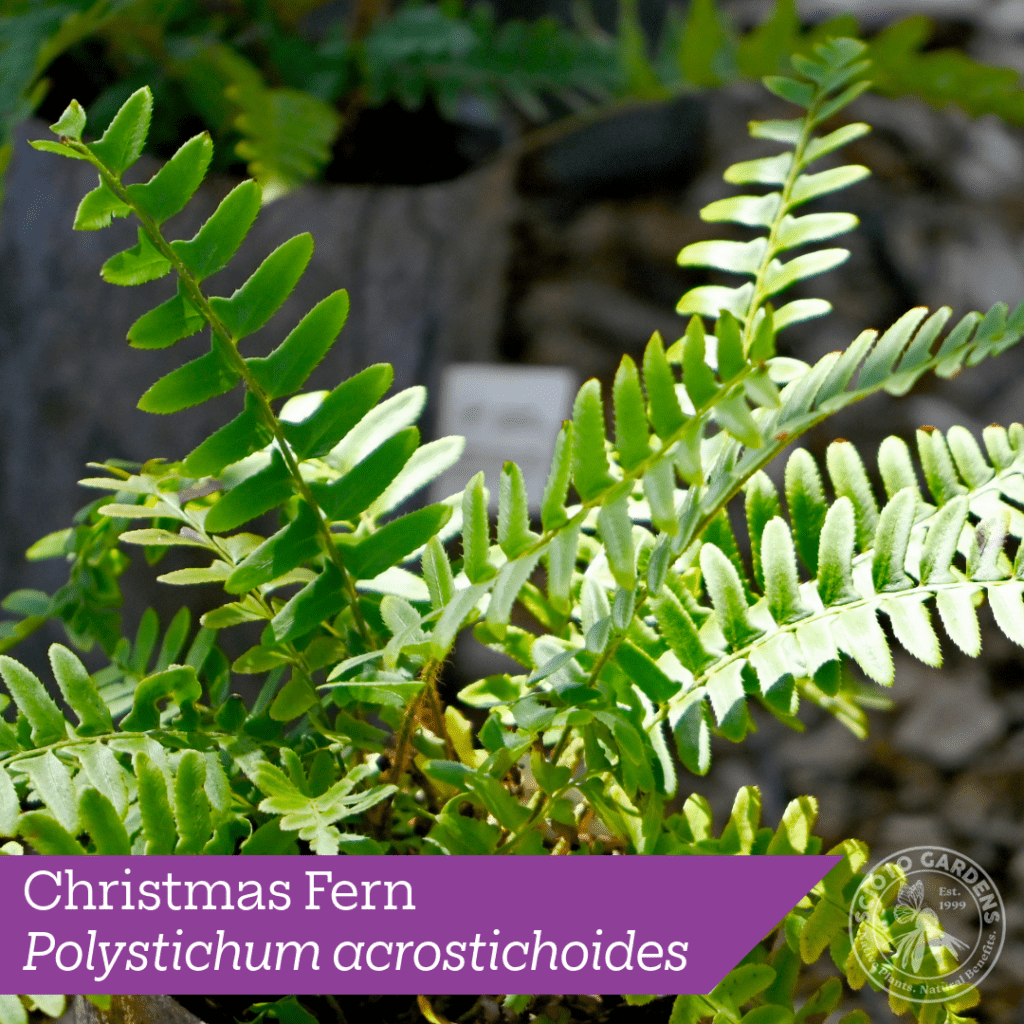
Christmas Fern (Polystichum acrostichoides) – This fern features lustrous, dark green fronds that are evergreen and persist right through winter until the new foliage emerges in spring. Typically found in woodlands with well-draining soil, they can tolerate dry, shady conditions, slopes, and rocky soils. Their arching fronds create a microclimate that cools the soil and helps conserve moisture, benefitting their neighboring plants and the wildlife sheltering within. Christmas fern grows 12-18” tall, and pairs well with woodland sedges, spring ephemerals, and other shade-appreciating wildflowers.
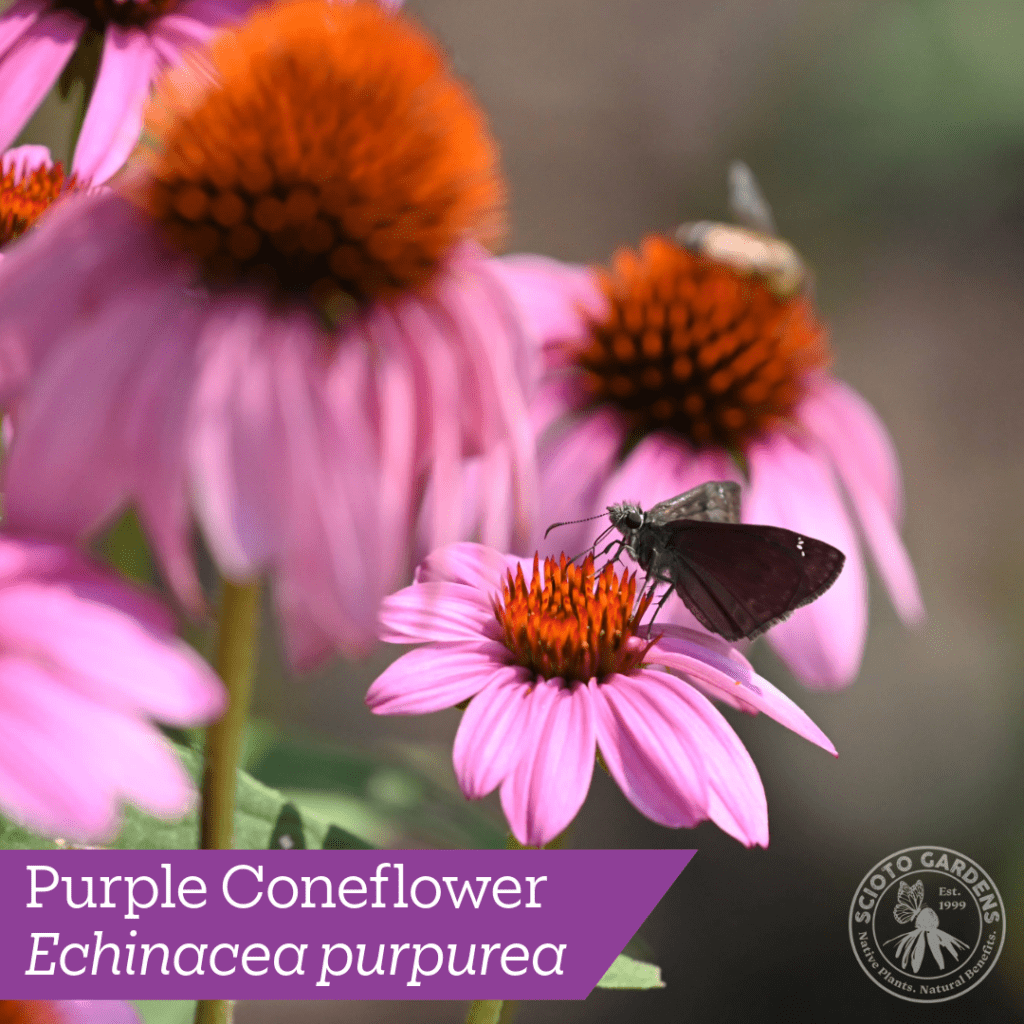
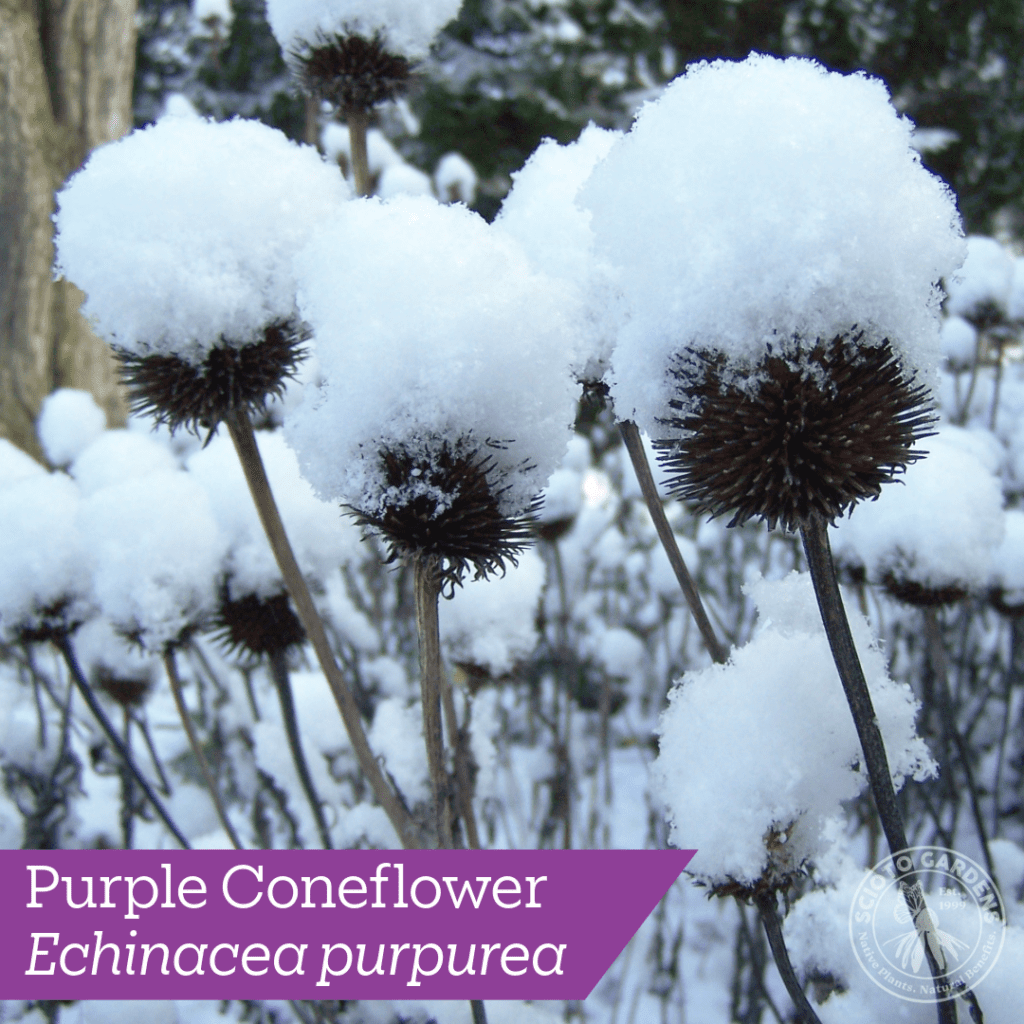
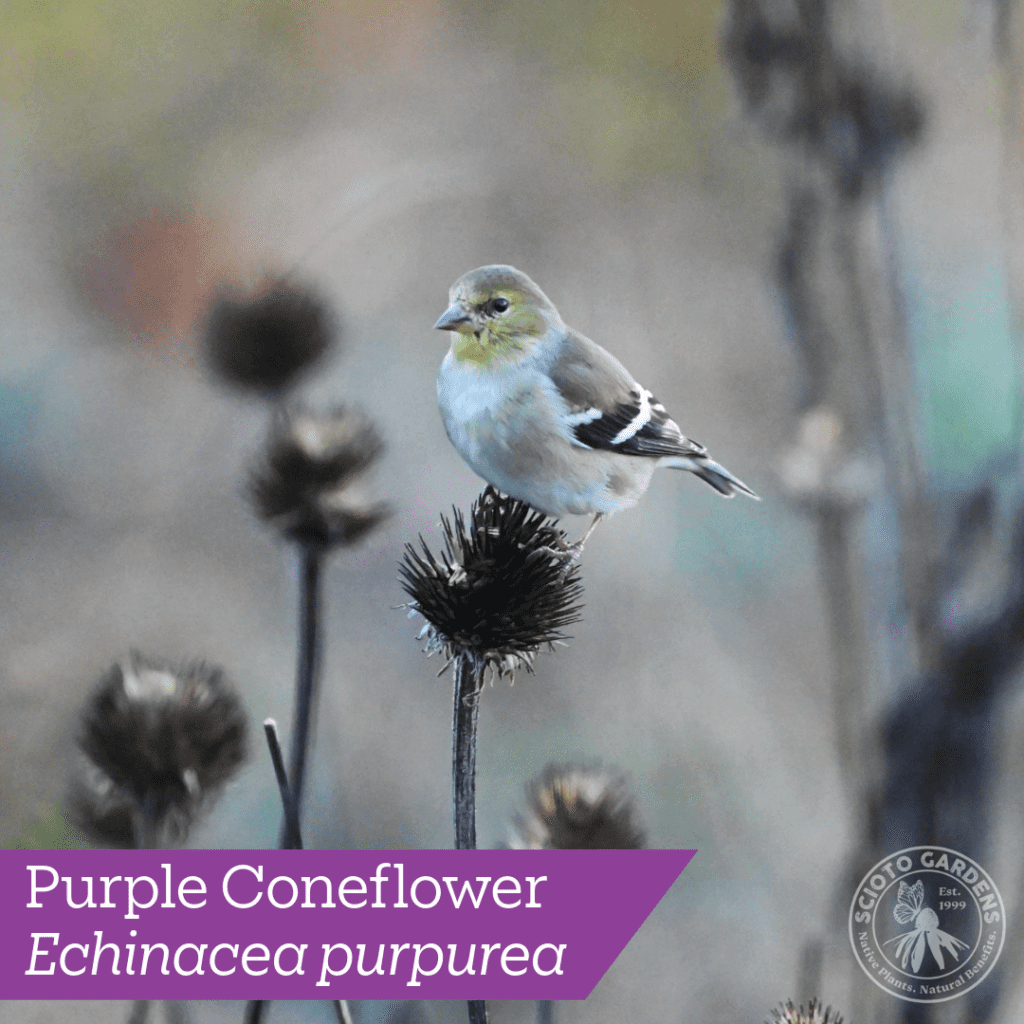
Purple Coneflower (Echinacea purpurea) – A cherished starter-native for many of us that draws people in with its brilliant, long-lasting blooms in summer, this perennial also pulls its weight all winter with sturdy stems and abundant seeds. Purple coneflower grows 2-4 feet tall in full sun or part shade with deep purple-pink flowers in mid-summer. After the plants go dormant, the seedheads help songbirds like American goldfinches stay fed all winter. They also add whimsy and structure to our gardens all season, wearing the falling snow like their own beanie hats. That said, this all applies to a much broader array of our perennials as well, starting with the cultivars of its own species (‘White Swan’ and ‘Ruby Star’ purple coneflowers), as well as many of our goldenrods, asters, black-eyed susans, ironweeds, and more.
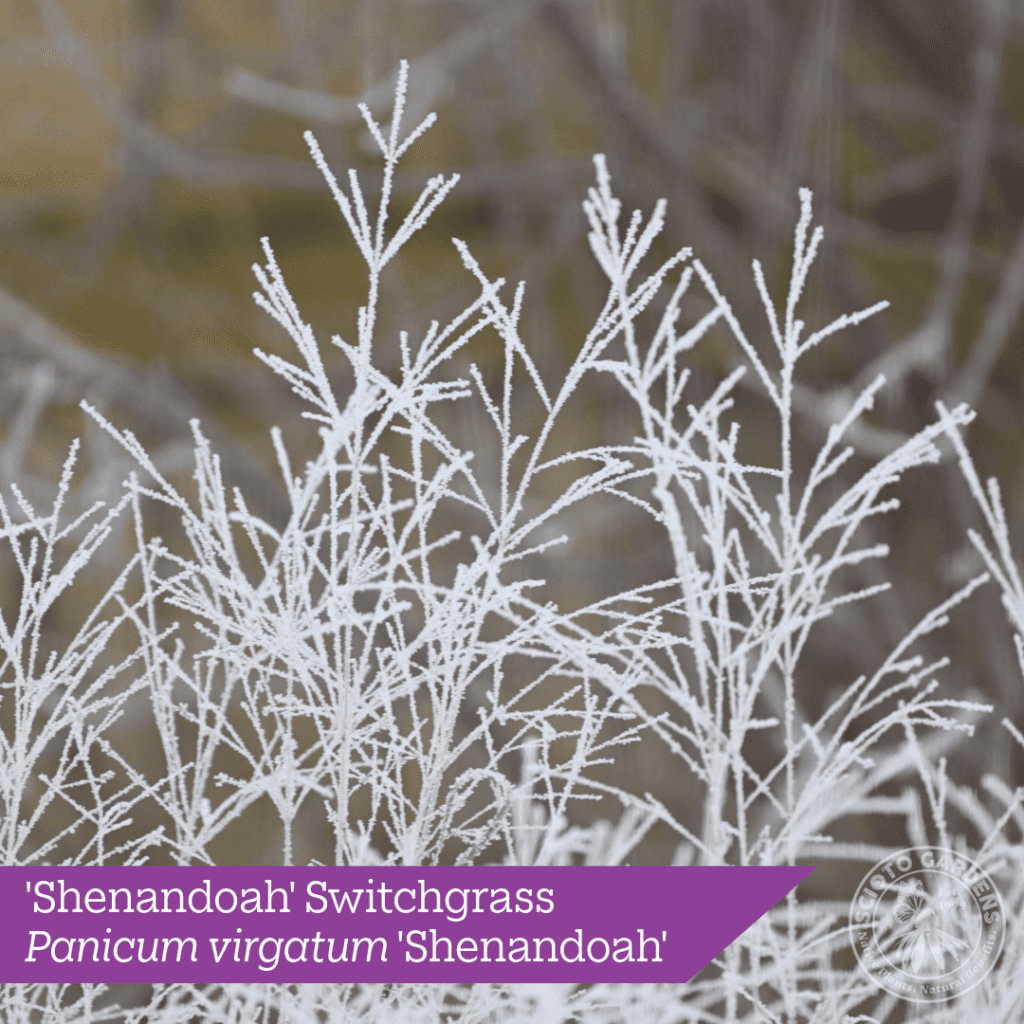
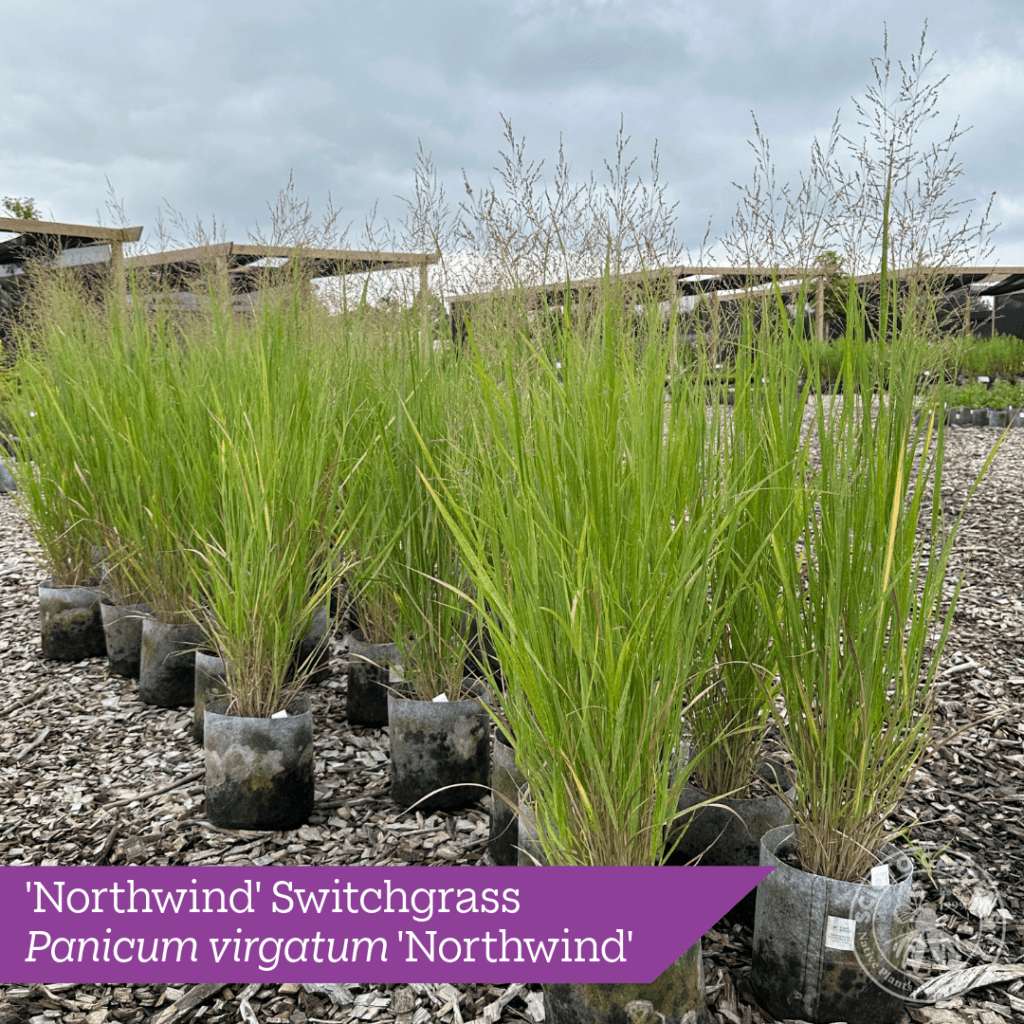
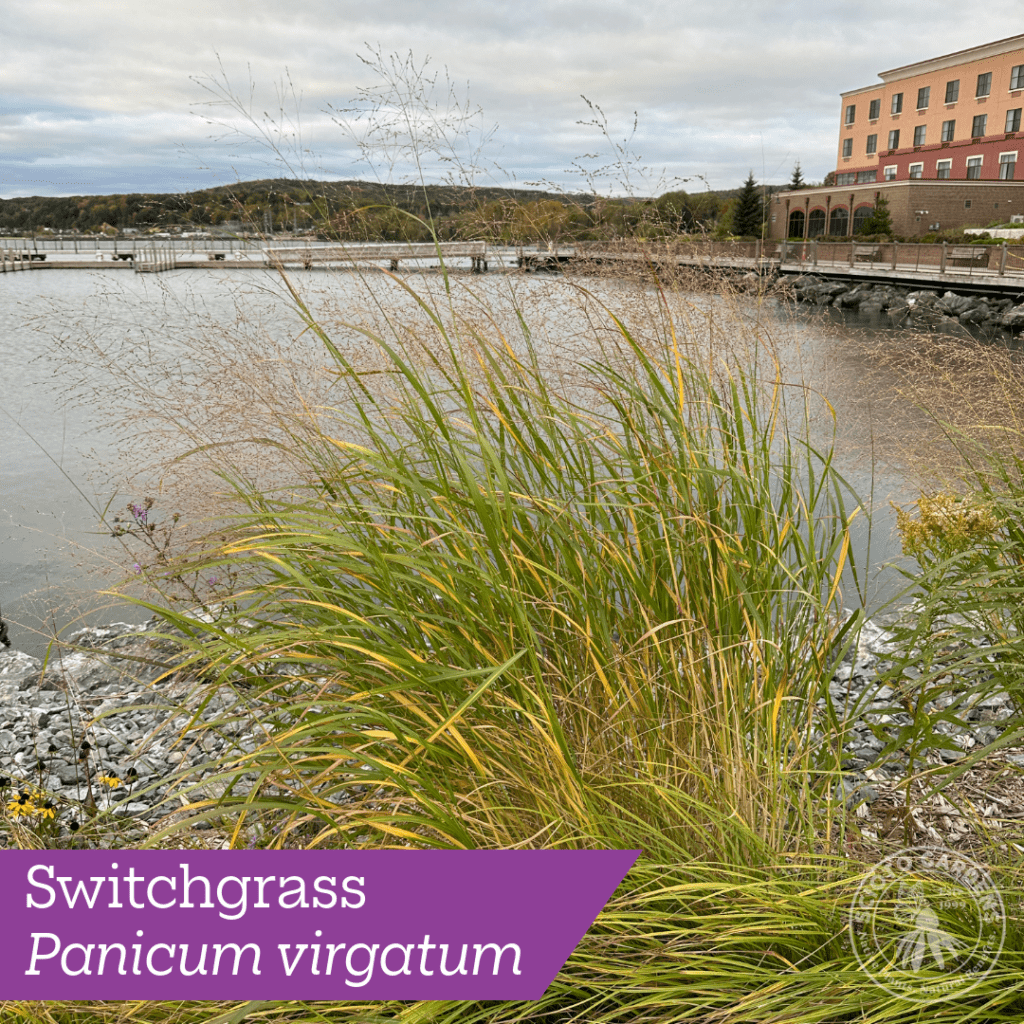
Switchgrass (Panicum virgatum) – Our native grasses, like switchgrass, fulfill a similar role in winter as the perennials mentioned above. They provide vertical structure in our landscapes, shelter, and food for songbirds. Switchgrass prefers full sun and is adaptable to poor soil, including sandy and clay. The stems, which can stand as tall as 6’, hold clouds of seeds that birds will visit and contrast beautifully with freshly fallen snow. In addition to the straight-species, we also have the ‘Northwind’ and ‘Shenandoah’ varieties. ‘Northwind’ provides a distinctly vertical form, while ‘Shenandoah’ is a bit shorter and features bright red color in fall. Other native grasses, like Indian grass and little bluestem, are also great choices for adding verticality and character to a garden through the winter.
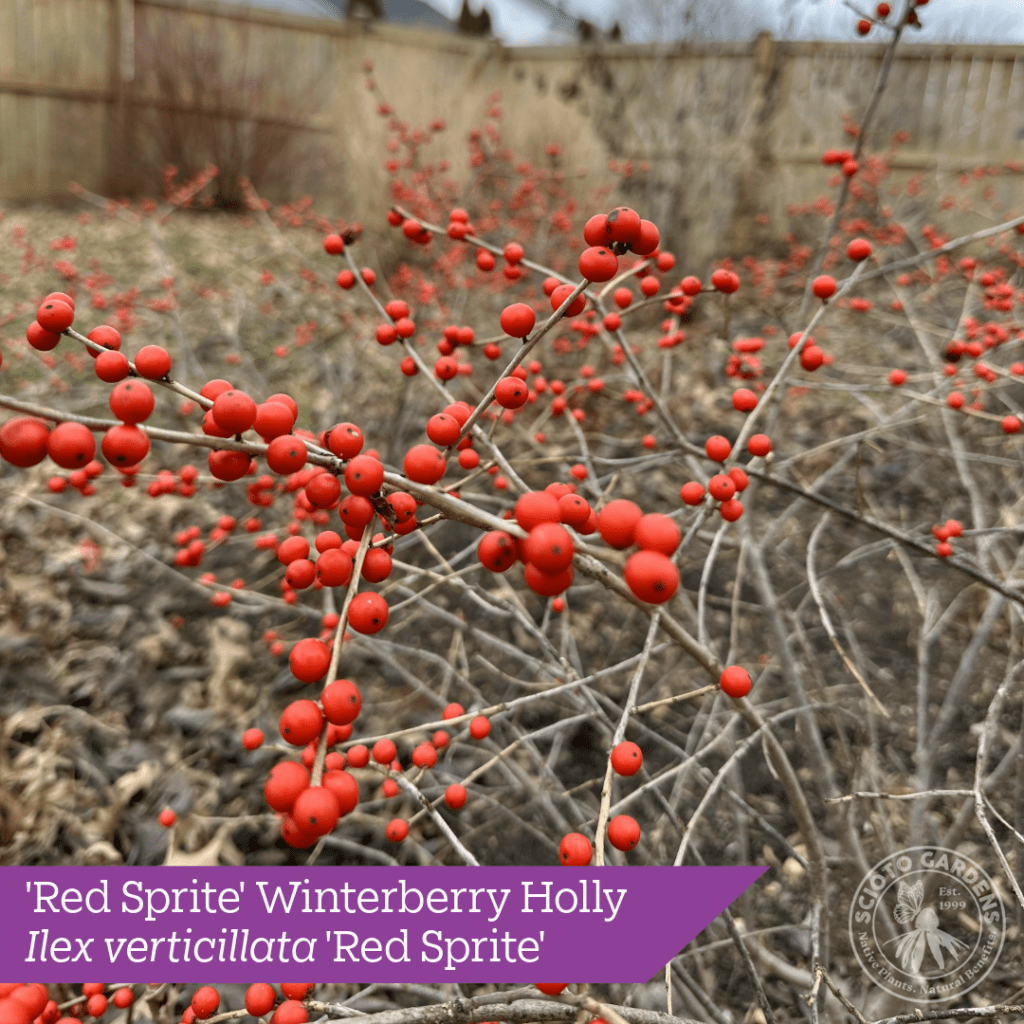
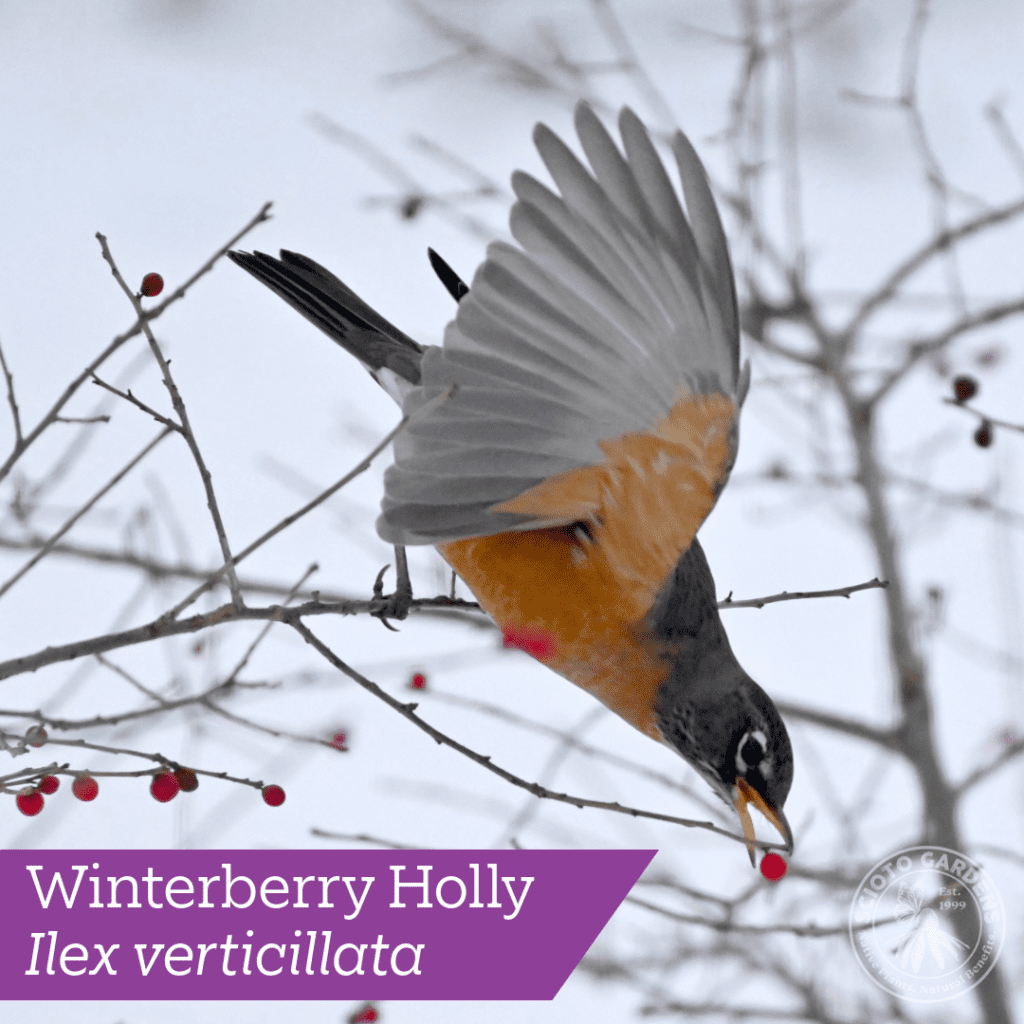
Winterberry Holly (Ilex verticillata) – With a name like “winterberry holly,” you probably know what to expect from this wonderful native shrub. Winterberry is a dioecious plant, and the females carry bright red fruit from fall (where they mix with the bright yellow fall foliage) into winter (after the leaves have fallen). Birds often leave winterberries untouched early in the season, as other shrubs bear fruit that is energy-packed but spoils quickly. Winterberries, on the other hand, last a long time and provide critical nutrition later in the winter when other food sources become scarce. Without them, many songbirds would go hungry. For fruit production, both males and females are required, though only females will bear fruit. Both sexes flower, of course, and the males make excellent mess-free natural screens!
We carry both the straight species, which stand 6-10’ tall and wide, as well as two matching sets of varieties bred for increased fruit production and compact shape, respectively. The first pair is the female ‘Winter Red’ and the male ‘Southern Gentleman’, which grow 6-8’ tall. The more compact duo is ‘Red Sprite’ (female) and ‘Jim Dandy’ (male), which only grow to 3’ or so. All of our varieties like full to part sun with wet to moist soil, but with more shade can handle drier soil, and all are deer tolerant.